Whiskey
Whiskey
Whiskey is a type of distilled alcoholic beverage made from fermented grain mash.
- Read more about Whiskey
- Log in to post comments
Whiskey is a type of distilled alcoholic beverage made from fermented grain mash.
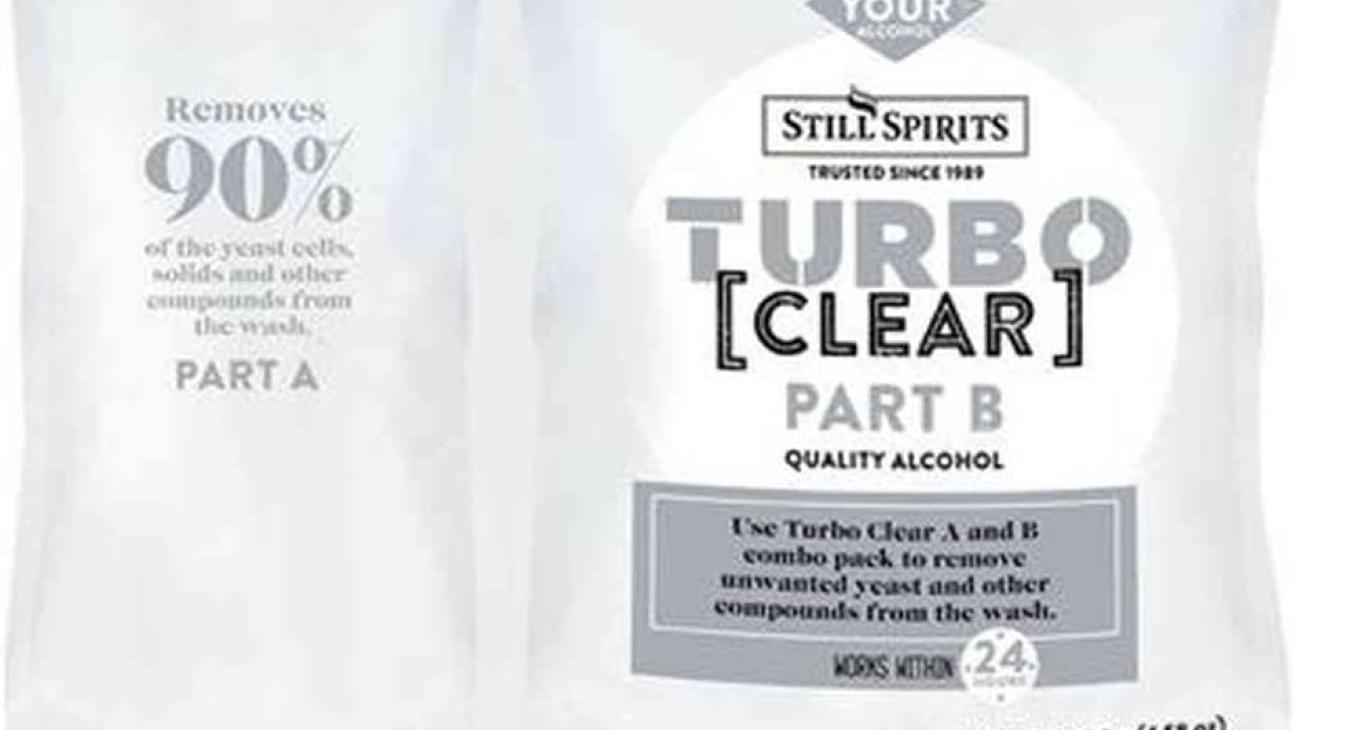
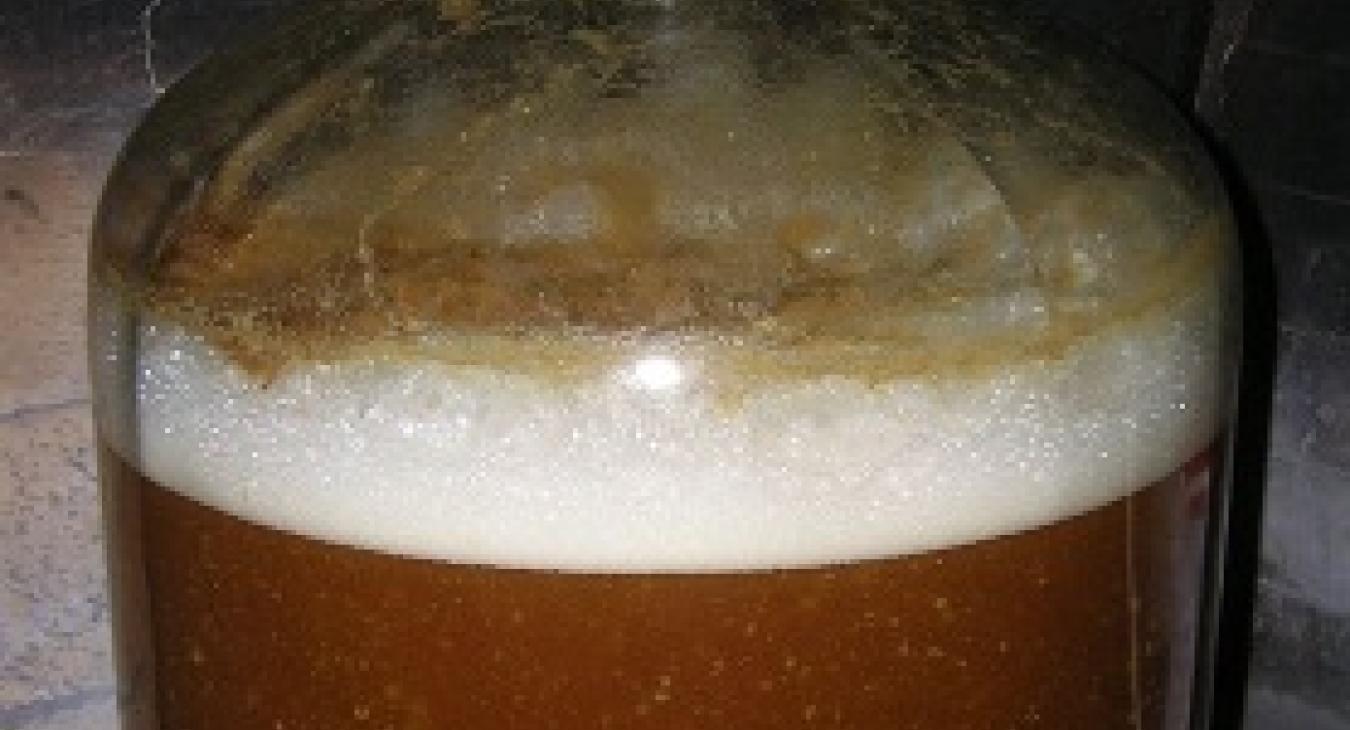
The majority of the yeast is heavy and will sink to the bottom of the liquid. However, there are small amounts of dormant yeast cells that are small and remain suspended throughout the mash. Also suspended are CO2 gas bubbles that are throughout the mash and has not risen to the top. If you use the clearing agent before degassing the efficiency of the clearing agent will be 75% of less depending on how thick the mash is. Degas first!
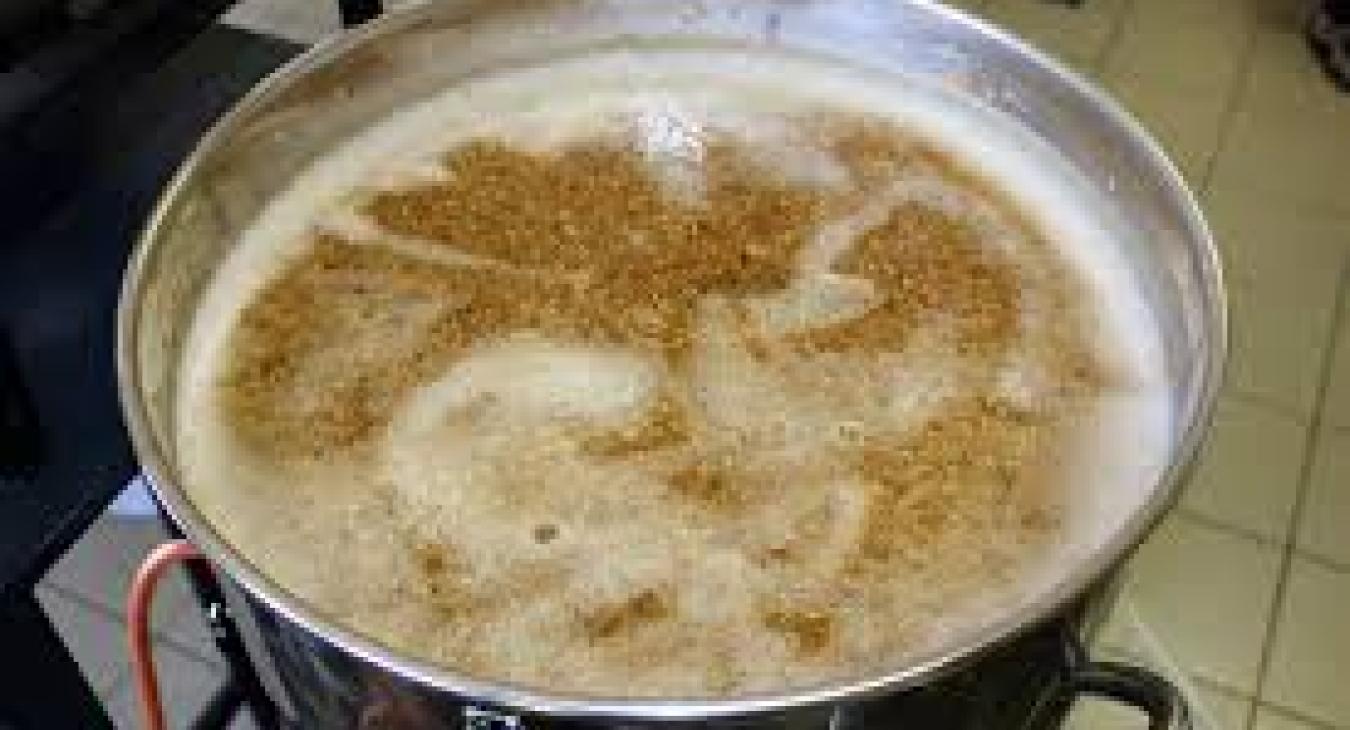
At this point the top of the fermented mash looks like a wart and hence the finished fermented liquid was called wart.
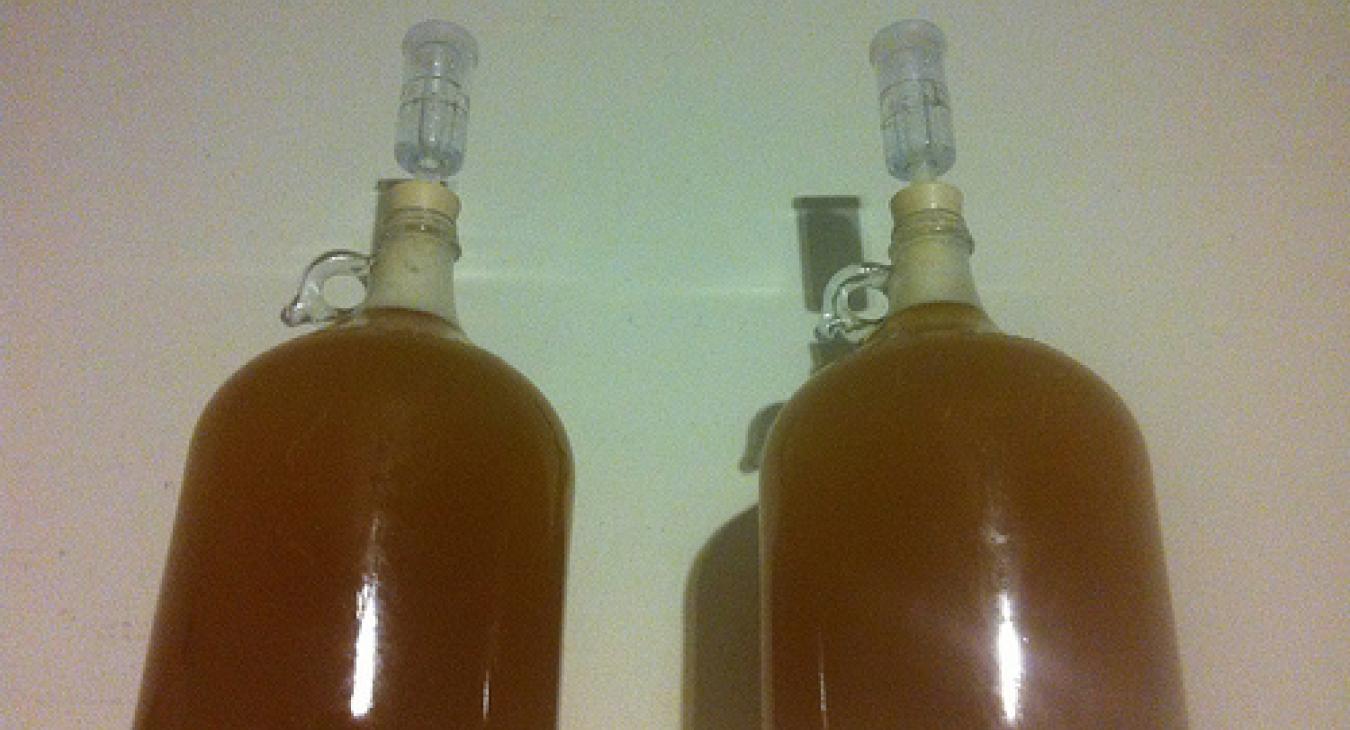
The air lock has stopped bubbling.
The yeast sediment collects on the bottom. Siphon off the liquid in the ferment container carefully leaving the yeast sediment undisturbed on the bottom. That bottom thick layer is yeast (not dead but dormant). This slime like layer is to be thrown out.
This is a period of 2 to 3 hours where the yeast is multiplying through out the liquid. Reproduction stops at 50 million cells per milliliter. Any remaining oxygen in the mix will be carried away by the CO2 bubbles. Any oxygen introduced after fermentation begins will oxidize and leave a stale taste in the mix -- a ruined batch.
Cool mash down to 80 F (65F is most efficient) … you can add cold water and/or ice to speed cooling the mash if diluting is desired. Cool the mash as quickly as you can. Immerse bags of ice to help cool. By cooling the mash quickly, bacteria, yeast etc. which is all around us cannot get started in the batch.
The objective is to create a mixture where the yeast can get to sugars to convert them into alcohol. Even if you use sugar as an ingredient you must heat it to break down the cellulose pulp to make the sugars yeast-friendly.
The sugars in grains like corn and wheat must be broken down with a malt barley. You could instead use a processed amalyse solution, 1 teaspoon per 5 gallons.
Your objective is to heat the water to about 161F. This is the pasteurization temperature area. This will kill off any bacteria.
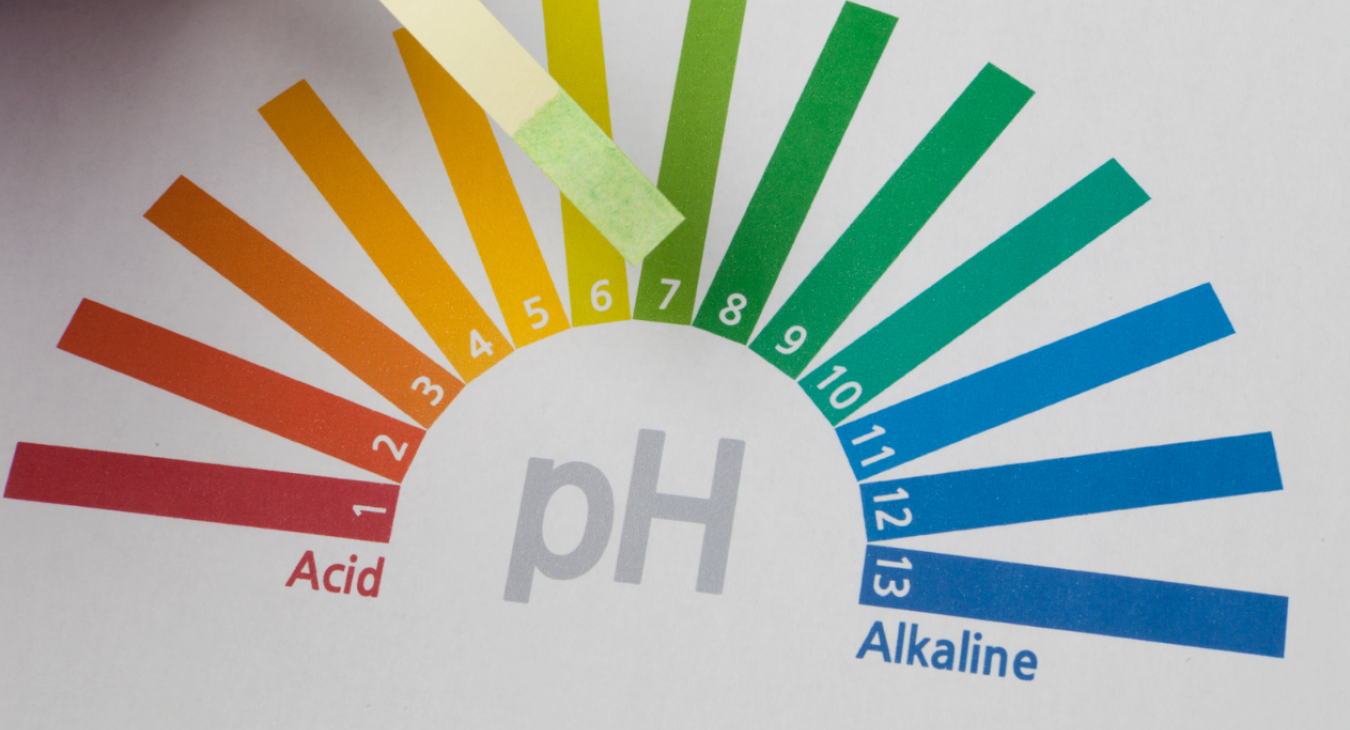
Test the PH of the water being used in the mix with a PH meter (or use PH test strips sold at a pharmacy).
Tap water is about 7.4. The PH scale goes from one to fourteen, 7 being in the middle and is the neutral point … Distilled water is 7 PH … anything below 7 is acidic … anything above 7 is alkaline.
The objective is to create a mixture where the yeast can get to sugars to convert them into alcohol.
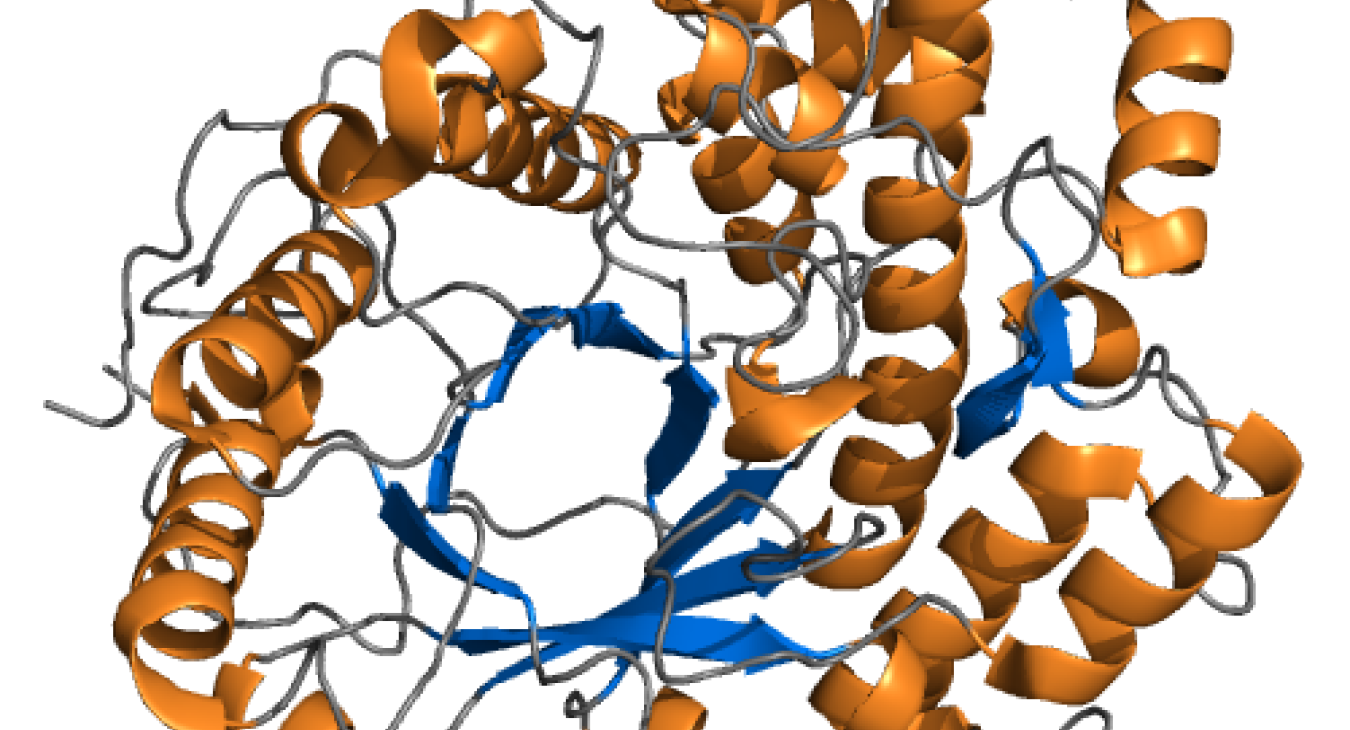
The starches in grains like corn and wheat must be broken down with an enzyme in order for fermentation to take place. These starches need an enzyme to first break down the molecular chain that binds the starches together. Broken down it becomes a simple sugar. Once broken the yeast cells can eat these singular sugars and produce alcohol.
The most common enzyme is barley that has been malted.
Yes mouthwash also has alcohol in it .... a lot ..... as in 28%!!!! Go test it for alcohol content ....