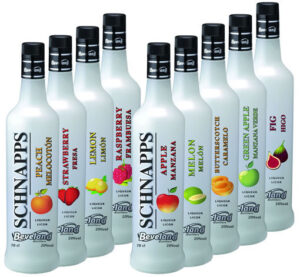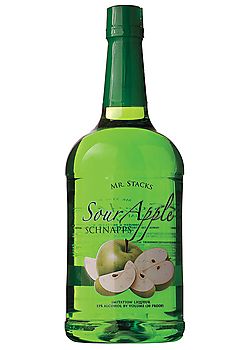
Schnapps is a type of distilled spirit that originated in Europe, particularly in Germany, Austria, and the Scandinavian countries. The term "schnapps" can refer to a few different styles of alcoholic beverages, but generally, it denotes a clear, strong, often fruit-flavored liquor.
Types of Schnapps
- European Schnapps:
- Fruit Schnapps: Made by fermenting fruit juices along with the base liquor. Common flavors include apple, pear, cherry, and plum (known as "slivovitz" in Eastern Europe).
- Herbal Schnapps: These are flavored with herbs, spices, or other botanicals.
- This type of schnapps is typically distilled to a higher proof and is less sweet than its American counterpart. It is often enjoyed as a digestif after meals.
- American Schnapps:
- This is a liqueur, which means it is a sweetened spirit. American schnapps is often flavored with fruit syrup, spices, or artificial flavorings and is lower in alcohol content than European schnapps.
- Popular flavors include peppermint, butterscotch, peach, and cinnamon.
Consumption
- Neat: Often served at room temperature or chilled without any additions.
- Cocktails: Used as a base or a flavoring agent in various mixed drinks.
- With Coffee: Particularly in colder regions, a shot of schnapps might be added to coffee.
Cultural Significance
In many parts of Europe, particularly in Germany and Austria, schnapps is a traditional part of social gatherings and special occasions. It is often homemade in rural areas, using local fruits and traditional methods. Schnapps is a type of distilled spirit that has two meanings.
- Essentially, true schnapps is made by fermenting fruit juices along with the base liquor. In this sense, schnapps is considered a fruit brandy or eau de vie.
2. In contrast, schnapps in the United States is often used to describe a category of sweetened, fruit-flavored liqueurs. Instead of distilling the fruit, liqueurs are often made by steeping fruits in alcohol after the distillation. It can be steeped in the prior fermented batch before distillation.